

A senior living with paralysis may require ongoing assistance with mobility, hygiene, positioning, meals, medication routines, and daily activities. Choosing appropriate Paralytic Care therefore involves much more than arranging a room and an attendant.
Families in Pune should evaluate whether the care environment can consistently support the person's level of dependency.
Start with an individual care assessment
The effects of paralysis vary significantly. Some individuals retain considerable independence, while others need extensive support.
Before selecting a care arrangement, consider:
- Ability to sit, stand, or transfer
- Assistance required for toileting and bathing
- Feeding requirements
- Communication ability
- Medication schedule
- Skin-care and positioning needs
- Rehabilitation instructions
- Existing medical conditions
A clear understanding of these requirements makes it easier to evaluate facilities realistically.
Accessibility is essential
A residence supporting people with mobility limitations should be easy to navigate. Families should observe doorways, corridors, bathrooms, sleeping areas, and common spaces.
Wheelchair accessibility, safe transfer space, appropriate bathroom support, and convenient movement between areas can make everyday care considerably easier.
Ask about daily assistance
Long-term paralytic care may involve repeated assistance throughout the day rather than occasional support. Families should understand how personal hygiene, changing clothes, meals, repositioning, mobility, and other daily requirements are handled.
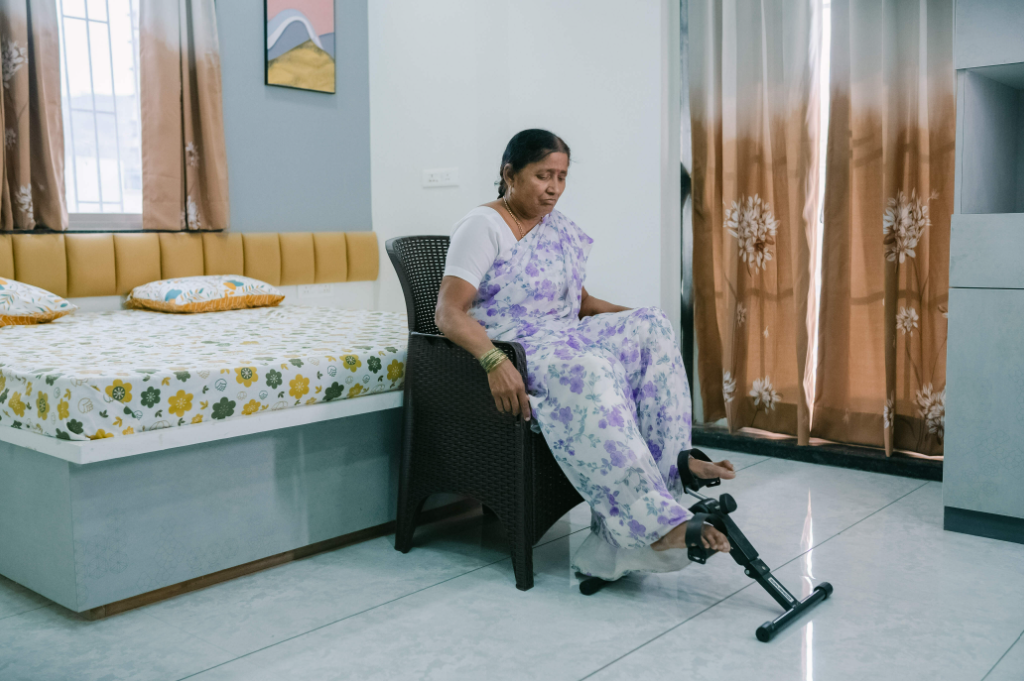
Where rehabilitation exercises or physiotherapy have been advised, ask how those recommendations can be accommodated.
Protect dignity and social connection
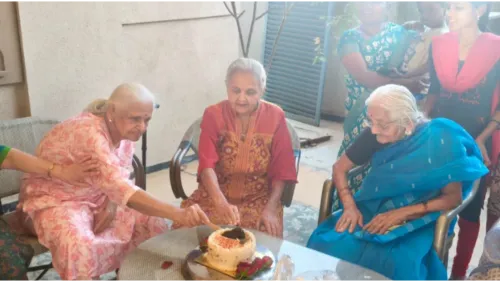
Physical dependency should not mean social isolation. Seniors with paralysis should have opportunities to interact with others, participate in suitable activities, spend time outdoors where possible, and maintain regular family contact.
Respectful communication is particularly important when a person depends heavily on caregivers.
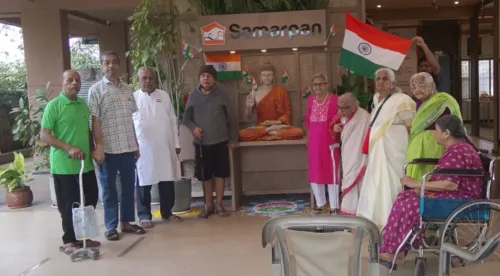
Families exploring long-term senior support in Pune, Maharashtra, may evaluate Samarpan Old Age Home Pune based on the individual's mobility, assistance requirements, accessibility needs, and care expectations.
The right paralytic care arrangement should be sustainable for both the senior and the family. Rather than focusing only on immediate needs, consider how the facility would respond if mobility, health, or dependency levels change over time.